Planning meals from pantry staples is a great way to make cooking easier, save money, and reduce food waste. Your pantry is likely full of versatile ingredients like canned beans, rice, pasta, and spices that can become the foundation of many tasty dishes. With a little creativity and organization, you can put together satisfying meals without needing to run to the store every day.
In this post, we’ll guide you through how to assess your pantry, plan meals around what you have, and keep your staples stocked for quick and flexible cooking.
Why Use Pantry Staples for Meal Planning?
Using pantry staples helps in several ways:
– Convenience: Staples have a long shelf life and are always ready to use, ideal for busy days.
– Budget-Friendly: Buying staples in bulk or on sale reduces grocery costs.
– Less Food Waste: Creating meals from what you already have minimizes leftovers and spoilage.
– Variety: Staples can be combined in endless ways to keep meals interesting.
Step 1: Take Inventory of Your Pantry
Before planning meals, start with a clear inventory:
– Pull everything out: Empty your pantry shelves to see all items.
– Group similar items: Organize cans, grains, pasta, spices, and baking supplies together.
– Check expiration dates: Discard expired items to keep your pantry safe.
– Note staples you use often: Identify favorite ingredients that form your meal base.
Consider keeping a list on your fridge or digitally so you remember what’s available.
Step 2: Identify Core Staples to Stock
A well-stocked pantry includes ingredients versatile enough for various dishes. Here are some essentials:
– Grains: Rice, pasta, quinoa, oats, couscous
– Canned goods: Beans (black, chickpeas, kidney), diced tomatoes, coconut milk
– Broths and sauces: Vegetable or chicken broth, soy sauce, tomato paste
– Spices and herbs: Salt, pepper, garlic powder, cumin, chili flakes, dried oregano, basil
– Oils and vinegars: Olive oil, vegetable oil, apple cider vinegar, balsamic vinegar
– Nuts and seeds: Almonds, sunflower seeds, chia seeds
– Baking basics: Flour, sugar, baking powder, baking soda
Filling your pantry with these staples ensures you can create a wide range of meals.
Step 3: Plan Meals Based on Pantry Ingredients
Create a Weekly Meal Plan
– Start with the pantry: Base your meals on ingredients you have in stock.
– Mix and match: Combine grains with canned proteins and fresh or frozen vegetables.
– Look for inspiration: Search online for recipes featuring your staples.
– Add fresh or frozen produce: Complement pantry items with affordable vegetables or fruits.
Sample Meal Ideas Using Pantry Staples
– Chickpea curry: Canned chickpeas, coconut milk, curry powder, rice
– Pasta with tomato sauce: Pasta, canned diced tomatoes, garlic, dried herbs
– Bean chili: Mixed beans, canned tomatoes, chili powder, onions
– Rice and beans bowl: Rice, black beans, cumin, salsa, avocado (optional)
– Vegetable stir-fry: Rice or noodles, soy sauce, mixed frozen vegetables, sesame seeds
Step 4: Use Recipes That Are Flexible and Adaptable
Opt for recipes that allow ingredient substitutions. For example:
– If you don’t have black beans, try kidney beans.
– Use any type of pasta you have on hand.
– Replace fresh herbs with dried ones.
Flexible recipes reduce the stress of needing exact ingredients and encourage creativity.
Step 5: Organize Your Pantry for Easy Access
An organized pantry speeds up meal prep by helping you find what you need quickly.
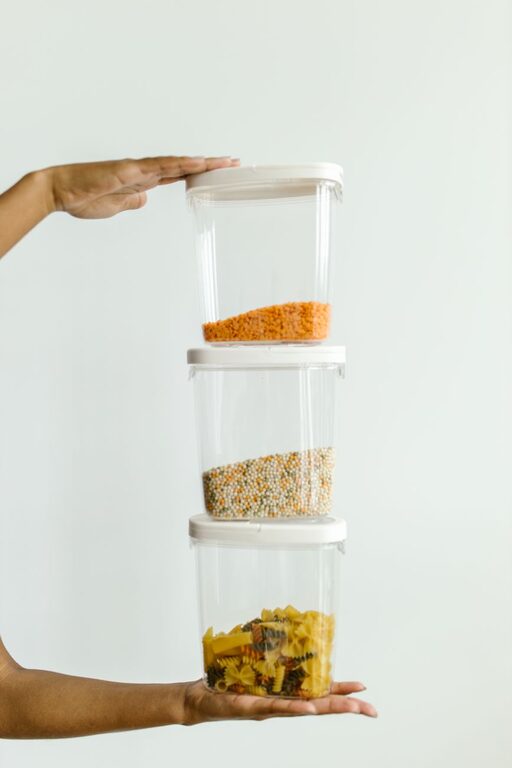
– Use clear containers or jars for grains and flours.
– Label shelves or containers to identify contents.
– Store frequently used items at eye level.
– Group ingredients by type or meal category.
Step 6: Keep Your Pantry Stocked Smartly
– Restock staples when running low to avoid last-minute grocery trips.
– Buy items in bulk to save money, but only what you can reasonably use before expiration.
– Rotate pantry items periodically, using older items first.
– Track what you use most to adjust your shopping list accordingly.
Extra Tips for Success
– Batch cook: Make large portions and freeze meals for busy days.
– Use leftovers creatively: Turn extra rice into fried rice or soups.
– Keep a running list: Jot down meal ideas as they come to you.
– Combine pantry staples with fresh ingredients: Balance convenience with nutrition.
Conclusion
Planning meals from pantry staples is a practical and enjoyable way to feed yourself and your family while saving time and money. By knowing what you have, stocking key ingredients, and using adaptable recipes, you can quickly whip up delicious, nourishing meals any day of the week. Start by taking inventory today and experiment with your favorite staples to discover new go-to dishes!
About the Author